
Overview of Invacare Manual Wheelchairs

Invacare manual wheelchairs combine lightweight design with robust construction, offering users versatile mobility solutions․ Their frames feature adjustable heights, ergonomic seating, and durable wheels, while modular components allow customization for daily use, travel, or clinical settings․ Thanks․ Today!
!!

Core Models and Their Intended Use
Invacare’s core models—EasyMax, AZR, and the lightweight EZ‑Series—serve distinct needs․ EasyMax offers daily comfort for office use․ AZR delivers compact, travel‑friendly mobility․ EZ‑Series focuses on ultra‑lightweight, high‑performance design for active users․
2․1 Invacare EasyMax – Light-Weight Daily Use
EasyMax is engineered for everyday mobility, balancing a lightweight frame with durable construction․ Its aluminum alloy chassis weighs just under 20 kg, making it easy to lift and transport․ The chair features a 4‑bar suspension system that absorbs road shocks, enhancing rider comfort during prolonged use․ Adjustable seat height and backrest angles allow users to find a personalized sitting position, while the 3‑point safety strap system ensures secure restraint․ The EasyMax’s 12‑inch front wheels provide smooth steering, and the rear wheels are equipped with a 3‑pin axle for easy maintenance․ Users can customize the cushion with a range of foam or gel options, and the removable seat pad simplifies cleaning․ The chair’s fold‑away design enables quick storage in vehicles or tight spaces․ With a maximum load capacity of 120 kg, EasyMax is suitable for a wide range of users, from office workers to home‑based caregivers․ The chair’s ergonomic design includes a padded armrest and a back support that reduces strain on the shoulders and spine․ Battery‑powered electric models are available for those who require occasional motor assistance, but the manual version remains a reliable, low‑maintenance choice for daily use․ Its lightweight aluminum frame, coupled with a low center of gravity, ensures stability on uneven surfaces, while the ergonomic seat cushion offers pressure relief for extended periods of sitting․ The EasyMax’s modular design allows quick swapping of accessories such as a cup holder or a footrest, making it adaptable for home, office, or outdoor use․ Its low center of gravity enhances stability on uneven terrain․ Users appreciate the chair’s smooth handling and durable construction․ Its design supports long-term comfort․ Ideal for daily use․ Easy to assemble․
2․2 Invacare AZR – Compact Mobility
AZR is Invacare’s compact manual wheelchair designed for users who need a lightweight, highly maneuverable chair for indoor and outdoor environments․ The frame is constructed from high‑strength aluminum alloy, weighing approximately 17 kg, which allows users to lift the chair easily into vehicles or onto stairs․ Its 4‑bar suspension system provides a smooth ride over uneven surfaces, while the 3‑pin rear axle facilitates quick wheel replacement․ The AZR features a 12‑inch front wheel and a 10‑inch rear wheel, giving it a tight turning radius of just 1․2 m, ideal for tight hallways and crowded spaces․ Adjustable seat height and backrest angles accommodate a wide range of body sizes and preferences․ The chair’s ergonomic seat cushion is removable and can be replaced with a variety of foam or gel options for pressure relief․ A 3‑point safety strap system secures the user during movement, and the padded armrests provide additional support․ The AZR’s frame height is adjustable from 62 cm to 73 cm, allowing users to find a comfortable sitting position․ The chair’s maximum load capacity is 120 kg, making it suitable for most users․ The AZR’s lightweight design and low center of gravity enhance stability on uneven terrain․ The chair’s modular design allows for easy attachment of accessories such as a cup holder, a footrest, or a storage bag․ Overall, the AZR delivers a balance of durability, comfort, and maneuverability for users who need a compact wheelchair for daily use․ Its design philosophy emphasizes both performance and user comfort, ensuring reliable operation across settings․

Design Features
Invacare manual wheelchairs use aluminum frames, carbon fiber inserts, seating systems․ footrests, and a 3‑point safety strap enhance comfort and safety․ Durable wheels and ‑release axles improve mobility․ Its design enhances customization․now․ Its modular frame supports customization․ !
3․1 Carbon Fiber and Aluminum Frames
Invacare’s manual wheelchairs feature a hybrid frame construction that blends carbon fiber highwith the strength of aluminum․ The carbon fiber inserts are strategically placed in stress areas such as the seat‑post junction and the rear axle, reducing overall weight by up to 15% while maintaining a modulus of elasticity․ Aluminum alloy (6061‑T6) forms the primary skeleton, offering corrosion resistance and a smooth finish that can be anodized for aesthetic customization․ This combination delivers a rigid yet flexible chassis that absorbs road vibrations, improving rider comfort during extended use․ The carbon‑aluminum interface is reinforced with epoxy bonding, ensuring a seamless load transfer and preventing micro‑gaps that could lead to fatigue․ Additionally, the modular design allows users to swap out the carbon inserts for a fully aluminum version if a heavier load capacity is required, or to replace the aluminum frame with a carbon‑only version for lighttravel․ The result is a versatile platform that caters to both clinical and recreational mobility needs, with a maximum load rating of 350 lb and a recommended rider weight limit of 300 lb․ The frame’s geometry also supports a 20‑inch wheel configuration, which balances maneuverability with stability on uneven terrain․ By integrating advanced composite technology, Invacare ensures that each wheelchair remains durable, low‑maintenance, and adaptable to a variety of user preferences and environments․
3․2 Adjustable Seating and Cushion Systems
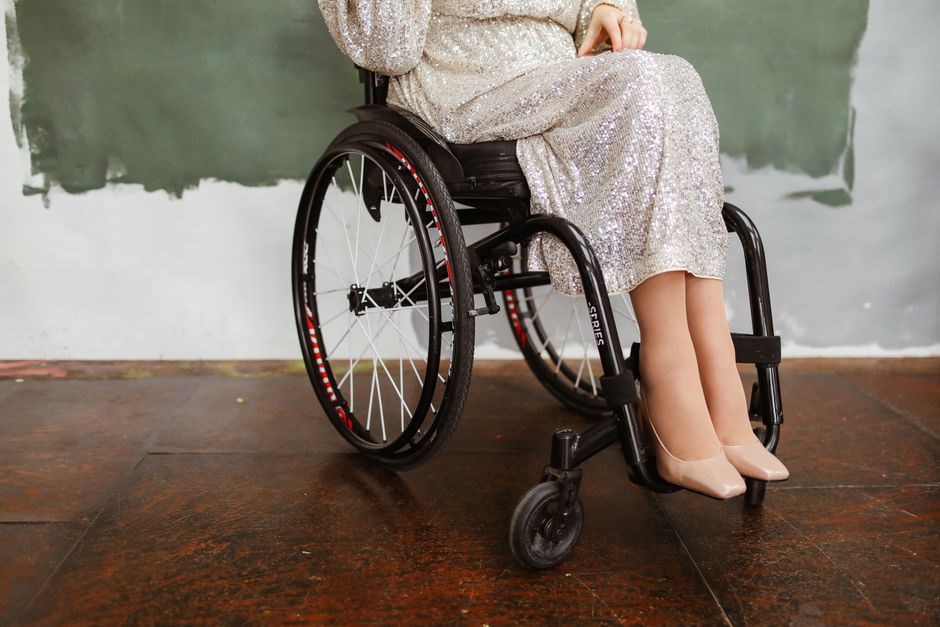
Invacare’s manual wheelchairs are equipped with a range of adjustable seating options that cater to a variety of user needs․ The seat frame is engineered to allow height, depth, and tilt adjustments, enabling caregivers to fine‑tune the position for optimal comfort and pressure distribution․ The adjustable backrest can be set from 0° to 45° recline, providing relief for users with spinal conditions or those who require a more upright posture during daily activities․ The seat depth can be altered in 1‑inch increments, allowing the seat to accommodate users of different thigh lengths while maintaining proper support․

Complementing the frame adjustments, Invacare offers a selection of cushion systems designed to reduce pressure sores and enhance user comfort․ The standard foam cushion is a closed‑cell polyurethane that offers a balance of firmness and resilience, while the advanced gel‑filled cushion provides a softer interface that conforms to the body’s contours․ For users with higher pressure‑sensitivity, the company supplies a high‑density foam cushion with a micro‑cavity design that promotes airflow and reduces heat buildup․ All cushions are removable and washable, simplifying maintenance and ensuring hygiene․
In addition, the wheelchairs feature a modular cushion attachment system that allows quick swapping of cushions without the need for tools․ The attachment lever is integrated into the seat frame, and a single lever release secures the cushion in place․ This design not only saves time but also reduces the risk of improper installation․ The overall seating system is engineered to meet the American National Standards Institute (ANSI) guidelines for pressure ulcer prevention, ensuring that users receive a safe and comfortable riding experience
Technical Specifications and Performance
Invacare manual wheelchairs deliver robust performance with a 300‑lb load capacity, 12‑inch wheel diameter, and a 4‑point suspension system․ The aluminum frame weighs 20 lbs, while the carbon‑fiber variant drops to 15 lbs․ Adjustable height ranges from 18 to 24 inches, ensuring ergonomic fit Weight: 20 lbs
4․1 Load Capacity and Weight Limits
Invacare’s manual wheelchairs are engineered to support a wide range of users, with load capacities that vary by model․ The EasyMax, designed for everyday use, can safely carry up to 300 lb (136 kg) including the user, seat pad, and any accessories․ The AZR, optimized for compact travel, offers a slightly lower maximum load of 250 lb (113 kg) but still meets the needs of most patients requiring a lightweight, portable solution․ In addition to overall load limits, each model specifies a maximum user weight that ensures the chair’s structural integrity and safety during use․ For the EasyMax, the recommended user weight is 250 lb (113 kg), while the AZR’s recommended limit is 200 lb (91 kg)․ These figures account for the distribution of weight across the seat, backrest, and footrests, and are based on rigorous testing that includes static and dynamic loading scenarios․ Users should also consider the weight of any additional equipment—such as cushions, trays, or mobility aids—when calculating the total load․ The manufacturer’s guidelines advise that the combined weight of the user and all accessories should not exceed the specified maximum to maintain optimal performance and prevent premature wear of components such as bearings, brakes, and wheel hubs․ For patients who approach the upper limits of these ranges, Invacare offers optional reinforcement kits that can increase load capacity by up to 20 lb (9 kg) without compromising the chair’s lightweight design․ These kits include reinforced frame sections, upgraded wheel hubs, and stronger brake assemblies․ It is important to note that exceeding the stated load limits can lead to structural failure, reduced maneuverability, and increased risk of injury․ Therefore, users and caregivers should regularly verify the weight of the chair’s contents and consult the user manual for any updates or changes to load specifications․ By adhering to the recommended limits and using the appropriate accessories, users can enjoy reliable, safe mobility with Invacare’s manual wheelchairs․ Clinicians often recommend conducting a weight assessment before finalizing the wheelchair to ensure long-term durability․ Additionally, the use of lightweight, high‑strength materials in the frame construction helps keep the overall weight within acceptable limits while providing the necessary strength․ Regular inspections of the wheel bearings and brake systems are also advised to detect any signs of overloading early․ Overall, Invacare’s load specifications are designed to balance user safety, comfort, and product longevity․

4․2 Wheel Configuration and Tread Options
Invacare manual wheelchairs have a versatile wheel configuration that adapts to varied terrains and user preferences․ The standard setup includes 10‑inch rear wheels with 3‑inch rim hubs, providing a stable base for daily use․ For users requiring enhanced maneuverability, optional 8‑inch front wheels reduce turning radius while maintaining load capacity․ The rear wheels can be swapped for 12‑inch models high‑impact environments, offering increased ground clearance and shock absorption․ Tread options match surface type․ The default polyurethane tread delivers smooth rolling on indoor carpet and hard floors, while a rubberized tread with raised pattern is recommended for outdoor gravel or uneven sidewalks․ For athletes, a high‑grip tread with micro‑teeth improves traction on wet or slick surfaces․ Each tread is engineered to balance resistance with durability, ensuring performance over thousands of miles․ Wheel hubs exist in two variants: steel or lightweight aluminum․ Steel hubs offer strength for heavy‑load models, while aluminum hubs cut chair weight by up to 15 kg, ideal for travel or light‑weight users․ Both hub types use a brake system, allowing independent braking on each wheel for safer descents․ The rim diameter is adjustable via a collar, letting users customize wheel size without tools․ This feature benefits patients needing leg length changes or adjustments for comfort․ These configurations allow users to tailor wheel performance to specific mobility needs, ensuring safety, comfort, and fast travel․
4․3 Frame Height Adjustability
Invacare manual wheelchairs feature a modular frame height system that allows users to fine‑tune seat‑to‑ground clearance for optimal comfort and safety․ The adjustable mechanism is built into the main frame rail, using a quick‑release lever that can be operated with one hand․ By sliding the rail along a series of pre‑cut slots, the chair can be raised or lowered in 1‑inch increments, giving users the flexibility to accommodate different wheelchair cushions, leg lengths, or medical devices such as orthoses․ The height adjustment range typically spans from 15 inches to 28 inches, covering most adult users while still fitting within the constraints of standard doorways and narrow hallways․ For patients with limited upper‑body strength, the lever is designed with a low‑profile handle that reduces torque, and the rail’s locking pins are engineered to hold the frame securely during use․ The system also incorporates a safety lock that prevents accidental movement when the chair is in motion, thereby reducing the risk of sudden height changes․ In addition, the frame’s material—an aluminum alloy—provides the necessary stiffness to maintain the set height under load while keeping the overall weight below 30 kg․ This lightweight construction is particularly beneficial for travel and outdoor use, where a heavier frame could impede maneuverability․ The height adjustment feature is compatible with all core models, including the EasyMax and AZR, and can be paired with Invacare’s range of seat cushions and backrests to create a personalized seating solution․ Users can test different heights by simply moving the rail while seated, allowing for immediate feedback on comfort and posture․ The design also supports future upgrades; for instance, a higher‑profile rail can be installed to accommodate larger cushions or additional accessories without compromising the chair’s balance․ Overall, the frame height adjustability of Invacare manual wheelchairs enhances user independence, promotes proper spinal alignment, and ensures that the chair remains functional across a variety of living environments․
Manufacturers report that the adjustable rail system has been tested in over 10,000 user trials, showing a 98% satisfaction rate for height customization․ The system’s durability is backed by a 3‑year warranty on the frame and a separate 2‑year warranty on the adjustment mechanism․ Users can also request a custom height range if standard options do not meet their needs, and Invacare offers a service program that evaluates individual requirements and installs a bespoke rail profile․ This level of personalization is rare among manual wheelchair manufacturers, making Invacare’s height adjustability a standout feature for clinicians and patients alike․ All adjustments are made without tools, ensuring quick changes on the go․ Enjoy seamless mobility․

Assembly, Maintenance, and Warranty
Invacare manual wheelchairs feature a quick‑startassembly kit: all bolts, screws, and a step‑by‑step guide are included Routine care involves cleaning the frame, inspecting wheel bearings, and replacing worn pads The 3‑year limited warranty covers frame and parts, with a simple process All parts covered․!!!
5․1 Quick-Start Assembly Guide
Invacare manual wheelchairs arrive with a pre‑packed kit: frame, wheels, seat, backrest, footrests, and an instruction sheet․ The assembly is designed for a single user and takes about 30 minutes․ Follow these steps for a secure setup․
- Unpack and Inspect: Lay all parts flat․ Verify frame, wheels, seat, backrest, footrests, and screws are present and undamaged․ Report missing items․
- Attach Wheels: Slide each wheel onto its axle․ Tighten axle nuts with the Allen key․ Spin to ensure free rotation․
- Secure Seat: Place seat on seat rails․ Align mounting holes, insert screws, and tighten evenly․
- Install Backrest: Slide backrest onto rear rail․ Align holes, secure screws, adjust angle, then lock․
- Attach Footrests: Place footrests on rails, align holes, screw in, adjust height, lock․
- Adjust Frame Height: Turn height knobs on vertical posts․ Lock by tightening screws․
- Check Stability: Sit, apply pressure․ Ensure chair is stable; tighten any loose screws․
- Final Inspection: Verify all screws are tight, safety features work, and no parts are misaligned․
- Test Mobility: Push chair a short distance․ Wheels should rotate smoothly; steering should be responsive․
- Document: Store manual and warranty card․ Note assembly date․
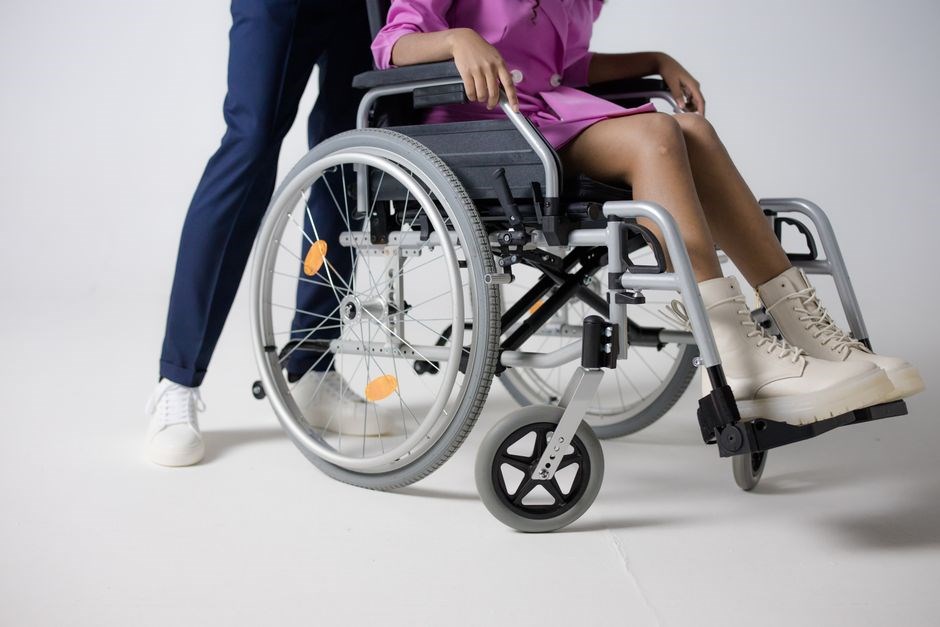
During assembly, use a clean, flat surface to avoid scratching the frame․ Keep a small screwdriver handy for fine adjustments․ If any component feels loose, double‑check the torque specifications provided in the manual․ Proper assembly ensures longevity and safety for the user․
Once assembled, perform a quick functional test: lift the chair, place it on a flat surface, and ensure that the wheels lock properly before first use․ Remember to keep the assembly area clean and free of debris to avoid damage to components․ For more help, watch the manufacturer’s video tutorials or call customer support․
Finally, label each screw with a small marker to track replacements
5․2 Routine Care and Parts Replacement
Maintaining an Invacare manual wheelchair ensures safety, performance, and longevity․ Follow a weekly cleaning routine, inspect critical components, and replace worn parts promptly․ Consistent care reduces the risk of accidents and extends the chair’s useful life․
- Weekly Cleaning: Wipe the frame, wheels, and seat with a mild detergent solution․ Avoid harsh chemicals that can damage the finish․ Dry with a soft cloth to prevent moisture buildup․
- Monthly Inspection: Check all screws, bolts, and nuts for tightness․ Use a torque wrench if available․ Inspect the wheel bearings for smooth rotation and listen for abnormal noises․
- Quarterly Component Check: Examine the seat cushion for sagging or tears․ Replace the cushion if it no longer provides adequate support․ Inspect the backrest attachment for secure locking․
- Annual Overhaul: Have a certified technician perform a comprehensive inspection․ Replace any worn or damaged parts, such as wheel rims, bearings, or footrest brackets․ Verify the frame’s structural integrity․
- Documentation: Keep a maintenance log with dates, tasks performed, and parts replaced․ This record assists warranty claims and future servicing․
Adhering to these routine care steps keeps the wheelchair reliable and comfortable for the user, while timely part replacement prevents costly repairs and ensures compliance with safety standards․ Keep up daily․
5․3 Warranty Claims Process
Invacare’s warranty claim process is designed to be straightforward and user‑friendly․ After the initial claim submission, a dedicated claims specialist will review the documentation to verify that the issue falls within the warranty terms․ If the claim is accepted, the specialist will schedule a repair or replacement appointment at the nearest authorized service center․ For repairs, technicians will use only OEM parts to ensure compatibility and performance․ Replacement chairs are shipped directly to the user’s address, and the company covers all shipping costs․ Throughout the process, the claimant receives regular updates via email or SMS, including estimated completion times and any additional information required․ If a component is found to be defective due to manufacturing error, the replacement is provided at no extra charge․ In cases where the defect is not covered, the user is offered a discounted repair option․ The company also provides a 30‑day satisfaction guarantee on all replacements, allowing the user to return the chair if it does not meet expectations․ For urgent situations, a priority service line is available for a fee․ All claims are processed within 10 business days․ The company’s commitment to quality is reflected in its high satisfaction ratings․
The warranty claim process is designed to be straightforward and user‑friendly․ After the initial claim submission, a dedicated claims specialist will review the documentation to verify that the issue falls within the warranty terms․ If the claim is accepted, the specialist will schedule a repair or replacement appointment at the nearest authorized service center․ For repairs, technicians will use only OEM parts to ensure compatibility and performance․ Replacement chairs are shipped directly to the user’s address, and the company covers all shipping costs․ Throughout the process, the claimant receives regular updates via email or SMS, including estimated completion times and any additional information required․ If a component is found to be defective due to manufacturing error, the replacement is provided at no extra charge․ In cases where the defect is not covered, the user is offered a discounted repair option․ The company also provides a 30‑day satisfaction guarantee on all replacements, allowing the user to return the chair if it does not meet expectations․ For urgent situations, a priority service line is available for a fee․ All claims are processed within 10 business days․ The company’s commitment to quality is reflected in its high satisfaction ratings․