
The ABB ACS880 User Manual provides concise guidance for installing, configuring, and maintaining ACS880 drives, including cooling tower firmware V2.01 and drive firmware V2.3. It assumes basic electrical knowledge and offers quick‑start instructions, wiring diagrams, and firmware management tips. for pros. now
Hardware Overview and Specifications
ACS880 drives feature modular design, 160–3200 kW power range, and integrated I/O. They support cooling‑tower firmware V2.01 and drive firmware V2.3. Key specs include 400 V AC input, 50/60 Hz, 3‑phase, and up to 3 kW per motor. The chassis is compact, IP20 rated.
Supports IEC 61800‑7, 400 V, 50/60 Hz, 3 kWm.
2.1 Drive Model Variants (ACS880-01, ACS880-17, ACS880-37)
ABB’s ACS880 family comprises three primary variants tailored to distinct power ranges and application requirements. The ACS880‑01 is designed for low‑power, high‑precision drives, typically supporting 20–200 kW. It features a compact chassis, integrated I/O, and is ideal for small‑scale industrial processes. The ACS880‑17 caters to medium‑size drives, covering 160–3200 kW. It offers expanded I/O options, enhanced cooling solutions, and supports a broader range of fieldbus protocols, making it suitable for large‑scale motor control systems. The ACS880‑37 variant extends the power envelope further, supporting up to 4800 kW. It incorporates advanced thermal management, higher current ratings, and robust protection features for demanding industrial environments. All three models share a common firmware architecture, enabling seamless migration of configuration files and updates via Drive Composer. The firmware versions V2.01 for cooling‑tower drives and V2.3 for standard drives are fully compatible across the variants, ensuring consistent performance and safety compliance. Each variant includes a dedicated memory unit for firmware storage and backup, allowing for rapid recovery in case of power interruptions. The modular design of the ACS880 family also permits the addition of I/O extension modules, fieldbus adapters, and safety modules, further enhancing flexibility. In summary, the ACS880‑01, ACS880‑17, and ACS880‑37 provide a scalable solution for a wide spectrum of industrial drive applications, from small precision tasks to heavy‑duty motor control.
2.2 Electrical Ratings and Power Range
The ABB ACS880 drive family is engineered to deliver reliable, efficient performance across a broad spectrum of industrial applications. Its modular architecture supports a range of power ratings, from the compact ACS880‑01 model, which handles 20 kW to 200 kW loads, to the robust ACS880‑17, covering 160 kW to 3,200 kW, and the high‑capacity ACS880‑37, which can drive motors up to 4,800 kW. Each variant is available in 380 V, 400 V, or 460 V configurations, with selectable 50 Hz or 60 Hz operation, ensuring compatibility with global power grids. The drives feature a maximum input voltage tolerance of ±15 % and a maximum input current tolerance of ±10 %, providing resilience against transient voltage spikes and current surges. Built‑in power factor correction modules maintain efficiencies above 95 % across the entire operating envelope, while configurable stop categories (0 or 1) and emergency stop inputs (Q979) enhance safety and control flexibility. Cooling solutions are tailored to each power class: the ACS880‑01 uses passive air cooling, the ACS880‑17 employs forced‑air cooling with optional liquid cooling for high‑temperature environments, and the ACS880‑37 incorporates a dedicated liquid cooling loop to manage heat dissipation at the upper power limits. Firmware management is streamlined through Drive Composer, which supports the latest cooling tower firmware V2.01 and ACS880 firmware V2.3, enabling rapid updates and comprehensive backup of all configuration files. The drives also support a wide array of fieldbus protocols and I/O extension modules, allowing seamless integration into existing automation systems. With its robust design, extensive configurability, and advanced safety features, the ACS880 drive family remains a trusted solution for demanding motor control tasks worldwide. In addition, the drives support remote monitoring and diagnostics via Ethernet/IP, Profinet, and Modbus TCP, providing operators with real‑time status updates and predictive maintenance insights that reduce downtime and extend equipment life.


Installation Guidelines
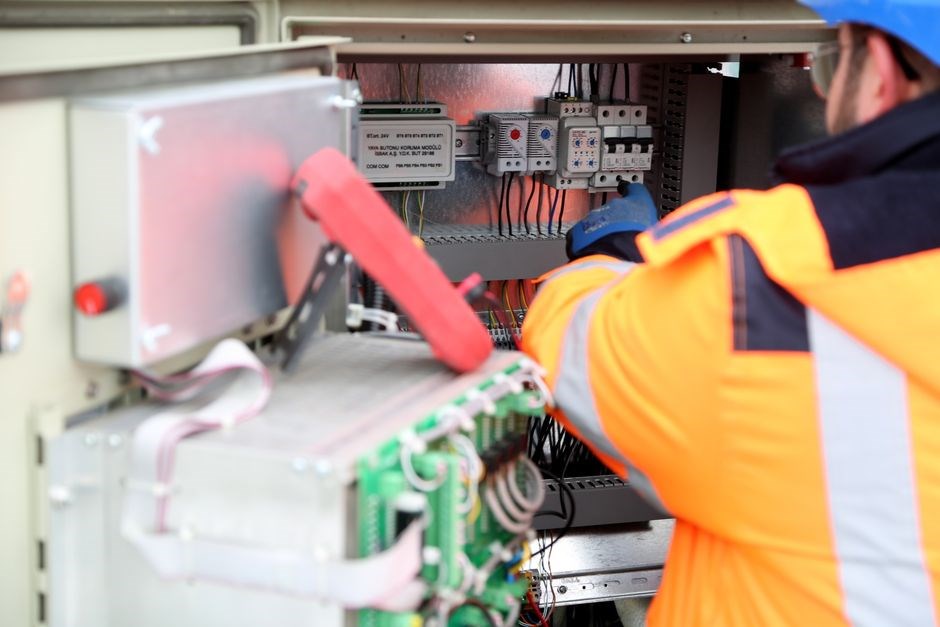
Begin with site preparation, ensuring a stable mount and proper ventilation. Mount the drive with brackets, align the motor shaft, and connect power and signal cables per wiring diagrams. Verify connections, set stop category, then test functionality before commissioning quickly.
3.1 Site Preparation and Mounting
Before installing an ABB ACS880 drive, verify that the installation area complies with the drive’s environmental and mechanical requirements. The mounting surface must be flat, clean, and free of sharp edges or contaminants that could damage the drive’s enclosure. The drive should be positioned so that its ventilation openings face an unobstructed airflow path, with a minimum clearance of 200 mm from any heat‑generating equipment or walls. The mounting bracket must be bolted to a structural member that can support the drive’s maximum weight, including any attached accessories. Use the manufacturer’s recommended fasteners and torque settings, and apply thread‑locking compound to prevent loosening under vibration. Verify that the drive’s motor shaft is aligned with the motor shaft it will drive; a misalignment greater than 0.5 mm can cause premature bearing wear. If the drive is mounted on a floor or wall, install a vibration‑damping layer (e.g., rubber pads) beneath the bracket to reduce transmission of mechanical shock. Verify that the drive’s grounding point is connected to the facility’s grounding system, and that all power and signal cables are routed away from high‑temperature zones and protected from mechanical damage. Finally, perform a visual inspection to confirm that all mounting hardware is secure, that the drive is level, and that there is no obstruction to the drive’s cooling vents. Once these checks are complete, the drive is ready for electrical wiring and commissioning. During installation, keep the drive’s enclosure free of dust and moisture, and ensure that the ambient temperature does not exceed the specified limits. Record the mounting orientation and any deviations in the maintenance log for future reference!

3.2 Electrical Wiring Connections
When connecting an ABB ACS880 drive, follow the wiring diagram in the user manual to ensure correct polarity, phase sequence, and cable sizing. Use 3‑phase power with a minimum voltage of 400 V and a maximum of 480 V for the 160–3200 kW variants. Select cables that meet the current rating of the drive, taking into account the maximum operating current and the ambient temperature. The supply cable must be terminated in a suitable terminal block or plug, with all conductors properly identified: L1, L2, L3, N, and PE. Grounding must be connected to the drive’s earth terminal and to the facility’s grounding system. The drive’s internal power supply requires a 400 V, 3‑phase input; any deviation can cause undervoltage protection to trip. The motor wiring should use a 3‑phase connection with a neutral, and the motor terminal block must be wired according to the motor’s nameplate data. Use shielded cables for signal lines (e.g., HART, Profibus, or Modbus) to reduce electromagnetic interference. The drive’s fieldbus connectors should be terminated with the correct termination resistor values as specified in the fieldbus manual; For safety, install an emergency stop (E‑stop) line that is isolated from the power supply and wired to the drive’s E‑stop input. Verify cable lengths are within maximum limits for the drive model to avoid voltage drop. After wiring, perform a continuity test on power and signal lines and check grounding and verify continuity! Finally, document wiring configuration in the log, noting cable types, lengths, and termination points for audits!
Configuration and Programming
Use Drive Composer to load firmware, set parameters, and save profiles. Configure motor data, speed limits, torque curves, and safety functions. The tool supports remote updates, diagnostics, and parameter backup. Follow the quick‑start guide for step‑by‑step setup now!!!

4.1 Using Drive Composer for Firmware Management
Drive Composer is the primary PC tool for managing the firmware and configuration of ABB ACS880 drives. The software provides a graphical interface that allows users to download, upload, and backup the entire memory unit, which includes the firmware image and all associated configuration files. To begin, launch Drive Composer and connect the PC to the drive via the appropriate communication port (USB, Ethernet, or serial). The application will detect the drive and display its current firmware version, which can be compared against the latest release available from ABB’s support portal. Firmware upgrades are performed by selecting the desired firmware package (e.g., ACS880 Drive Firmware V2.3 or Cooling Tower Drive Firmware V2.01) and executing the update wizard. The wizard guides the user through validation steps, ensuring that the firmware image is compatible with the specific drive model (ACS880-01, ACS880-17, or ACS880-37). Throughout the process, Drive Composer logs all actions and generates a detailed report that can be saved for audit purposes. In addition to firmware updates, the tool allows users to export and import parameter sets, facilitating rapid deployment across multiple drives. The export function creates a backup file that contains motor data, speed limits, torque curves, and safety settings, which can be imported into another drive with a single click. Drive Composer also supports remote diagnostics; users can view real‑time status, error logs, and performance metrics, and can initiate diagnostic routines such as motor tests or power quality analysis. By leveraging these features, plant operators can maintain consistency, reduce downtime, and ensure compliance with safety regulations. Logs can be exported for audit and reviewed!
4.2 Setting Stop Category and Emergency Stop
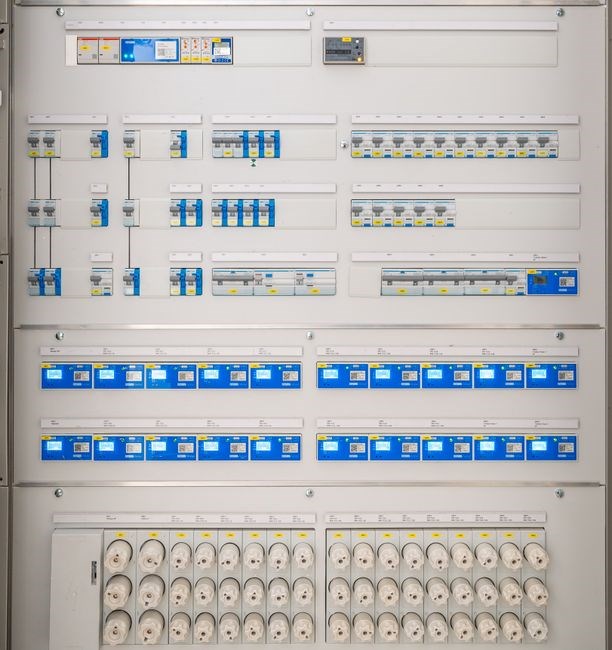
Setting the stop category and configuring the emergency stop on an ABB ACS880 drive is a critical safety step that ensures the machine responds correctly to fault conditions and operator commands. The ACS880 supports two stop categories, 0 and 1, which are defined in the drive’s parameter set and correspond to different levels of fault tolerance and motor protection. Category 0 is the default setting for most industrial applications; it allows the drive to stop immediately when a fault is detected, but it does not enforce a hard stop on the motor shaft. Category 1, on the other hand, is a stricter mode that triggers a hard stop, locking the motor shaft to prevent any residual motion, which is essential for high‑speed or high‑torque processes where safety is paramount. To select the desired category, the user must access the drive’s parameter table via Drive Composer or the on‑board keypad, locate the parameter “Stop Category” (parameter number 2000 for most models), and set it to 0 or 1 accordingly. After changing the stop category, the drive must be rebooted for the new setting to take effect. The drive supports both digital and analog E‑stop inputs. For digital inputs, the drive monitors the specified input pin (e;g., IN1 or IN2) for a low‑level signal; when the signal is detected, the drive initiates an immediate stop sequence, a hard stop if the stop category is set to 1. Setting the stop category and emergency stop is essential for compliance with international safety standards such as IEC 60204‑1 and ISO 13849, and it helps prevent damage to the motor, drive, and surrounding equipment. Regular testing of the E‑stop function is recommended as part of the maintenance schedule to ensure that the system responds correctly under all operating conditions. 1!
Firmware Versions and Upgrades
ABB ACS880 firmware updates are managed via Drive Composer. Version V2.01 supports cooling tower drives, while V2.3 covers standard ACS880 models. Upgrades require a backup, proper power isolation, and verification of parameter compatibility before installation. Verified!!
5.1 Cooling Tower Drive Firmware V2.01
ABB’s Cooling Tower Drive Firmware V2.01 is specifically tailored for ACS880‑01 drives used in industrial cooling tower applications. This firmware version delivers enhanced control algorithms, improved fault handling, and optimized power consumption for the demanding environment of cooling towers. Key features include adaptive speed control, real‑time monitoring of motor temperature and vibration, and integrated diagnostics that allow operators to detect early signs of wear or imbalance. The firmware also supports a wide range of fieldbus protocols, enabling seamless integration with existing plant automation systems. Installation of V2.01 is performed through the Drive Composer software, which provides a graphical interface for selecting the correct firmware image, verifying checksum integrity, and flashing the drive’s memory. Before upgrading, users must ensure that the drive’s current configuration parameters are compatible with the new firmware; otherwise, a reset to default settings may be required. The upgrade process requires a stable power supply, proper grounding, and a secure communication link between the PC and the drive. After flashing, the drive must be rebooted and parameters re‑validated to confirm that all functions operate within the specified limits. Users are advised to review the release notes for any changes in parameter ranges or new features that may affect the drive’s operation. The firmware also includes a comprehensive set of diagnostic messages that can be accessed via the drive’s web interface or through the Drive Composer, facilitating rapid troubleshooting and maintenance. By keeping the cooling tower drives updated to V2.01, operators can benefit from improved reliability, reduced downtime, and extended equipment life. Regular firmware updates ensure compliance with the latest safety standards and help maintain optimal performance across varying load conditions. The update process is fully documented in the user manual, ensuring a smooth transition for experienced technicians.
5.2 ACS880 Drive Firmware V2.3
ABB’s ACS880 Drive Firmware V2.3 introduces a suite of performance enhancements and safety improvements designed for high‑power industrial drives. The firmware update focuses on refining the motor control loop, reducing harmonic distortion, and providing tighter torque ripple suppression. It also expands support for additional fieldbus protocols, including EtherNet/IP and PROFINET, enabling seamless integration with modern plant networks. The update incorporates a new diagnostic framework that logs fault events with higher resolution timestamps, allowing operators to pinpoint the root cause of anomalies more efficiently. Users can access these logs via the Drive Composer or the drive’s web interface, and the firmware includes a set of predefined fault codes that map directly to ABB’s troubleshooting guidelines. Compatibility with existing parameter sets is maintained, but the firmware introduces new configuration options for adjusting the PID controller gains, enabling fine‑tuning for specific motor characteristics. The update also implements an adaptive cooling algorithm that monitors motor temperature and adjusts cooling fan speeds in real time, thereby extending motor life and improving energy efficiency. Installation of V2.3 is performed through the Drive Composer, which verifies the integrity of the firmware image before flashing. The process requires a stable power supply, proper grounding, and a secure communication link. After the firmware is installed, the drive must be rebooted and all parameters re‑validated to ensure they remain within safe operating limits. ABB recommends performing a full functional test after the upgrade, including speed ramp tests, load tests, and safety interlock checks. The firmware update is fully documented in the ABB ACS880 User Manual, which provides step‑by‑step instructions, safety precautions, and a list of known issues that have been resolved in this release. Keeping the ACS880 updated to V2.3 improves reliability and reduces maintenance costs. for result

Maintenance and Troubleshooting
Regular maintenance of the ABB ACS880 drive ensures long‑term reliability. Inspect the enclosure for loose screws, damaged seals, and overheating signs such as discoloration or burnt insulation. Keep ventilation openings dust‑free; clogged filters raise motor temperature and trigger thermal protection. Verify power supply connections for tightness and correct polarity, and confirm supply voltage matches the drive’s rated range. Clean the cooling tower periodically if used, ensuring adequate water flow and a scale‑free heat exchanger. Use the Drive Composer or web interface for diagnostics. Read fault logs after each startup;over‑current, over‑temperature, and communication errors. Reset fault counters only after investigating root causes. Inspect motor windings with a megohmmeter; low insulation resistance indicates a short. Confirm motor speed and torque curves match drive configuration to avoid stalls. Verify fieldbus settings (IP address, subnet mask, gateway) match the chosen protocol version. Firmware updates are performed only when a new version is released; power down the drive, isolate it, and flash the new firmware. After updating, re‑run diagnostics to ensure no new faults appear. Keep a maintenance log recording inspection dates, cleaning actions, and parameter changes for trend analysis. For recurring issues, consult ABB’s technical support and reference the troubleshooting section of the user manual for step‑by‑step guidance. Following these procedures extends the ACS880 drive’s life and maintains consistent production performance.