Understanding the First-Car Buyer’s Landscape (as of 03/04/2026)
Purchasing a first vehicle is a pivotal moment, demanding careful consideration of finances and responsibilities like insurance. The market offers abundant choices,
especially for budget-conscious buyers seeking reliable transportation options under $50,000.
The Significance of a First Car Purchase
Acquiring a first car transcends mere transportation; it symbolizes independence, freedom, and a significant step towards adulthood. This initial purchase often establishes lifelong habits regarding vehicle maintenance, financial responsibility, and safe driving practices. It’s a learning experience, demanding research and informed decision-making.
The process isn’t simply about selecting a stylish model. It involves understanding insurance implications, budgeting for ongoing costs like fuel and repairs, and appreciating the long-term implications of depreciation. For many, it’s the first major financial commitment beyond education, requiring careful planning and potentially, navigating financing options.
Furthermore, a first car often dictates commuting possibilities, social engagements, and access to opportunities previously unavailable. It’s a gateway to expanded horizons, but also a responsibility that demands respect for traffic laws and a commitment to safe driving. The excitement should be tempered with a realistic understanding of the commitment involved.
Financial Considerations for New Drivers
New drivers face a unique set of financial hurdles beyond the vehicle’s purchase price. Car insurance premiums are typically higher for inexperienced drivers, significantly impacting the overall cost of ownership. Budgeting for fuel, regular maintenance (oil changes, tire rotations), and potential repairs is crucial. Unexpected expenses inevitably arise, demanding a financial cushion.
Financing a vehicle requires careful consideration of interest rates and loan terms. Exploring pre-approval options from banks and credit unions can secure favorable rates. Down payment size directly affects monthly payments and total interest paid. Avoiding unnecessary add-ons at the dealership prevents inflating the loan amount.
Furthermore, depreciation – the loss of vehicle value over time – is a significant financial factor. Researching resale values helps anticipate future trade-in or sale potential. Creating a detailed budget encompassing all associated costs ensures financial stability and responsible car ownership. Prioritizing affordability over extravagance is key for new drivers.
Top Car Choices for First-Time Buyers
The automotive landscape presents diverse options for first-time buyers, ranging from budget-friendly new cars to dependable used models. Careful research unveils choices aligning with individual needs and financial constraints.
Budget-Friendly Options (Under $50,000)
For first-time car buyers operating with a strict budget, the market below the $50,000 price point is surprisingly abundant with viable options. This segment doesn’t necessitate compromising on essential features or reliability. Several manufacturers consistently deliver vehicles that balance affordability with practicality and modern amenities.
While specific models fluctuate with market conditions as of March 4th, 2026, prospective buyers should prioritize fuel efficiency, safety ratings, and projected maintenance costs. Considering these factors ensures long-term ownership satisfaction without straining financial resources. Exploring compact cars, hatchbacks, and smaller sedans often yields the most cost-effective solutions.
Furthermore, remember to factor in potential incentives, rebates, and financing options offered by dealerships and manufacturers. These can significantly reduce the overall purchase price and make vehicle ownership more accessible. Thorough research and comparison shopping are crucial steps in securing the best possible deal within this budget.
Reliable Used Cars: A Smart Starting Point
Opting for a reliable used car presents a particularly smart starting point for first-time buyers, mitigating the steep depreciation associated with new vehicles. The used car market offers a diverse selection of well-maintained options, often at significantly lower price points. This allows buyers to acquire a dependable vehicle without overextending their budget.
Prioritizing vehicles with a proven track record of reliability is paramount. Models known for their longevity and relatively low maintenance costs represent excellent value. A thorough pre-purchase inspection by a trusted mechanic is non-negotiable, uncovering potential issues before finalizing the purchase.
Vehicle history reports, readily available through various online services, provide valuable insights into a car’s past, including accident history and maintenance records. Diligence in researching a vehicle’s history and condition empowers buyers to make informed decisions and avoid costly surprises down the road.
Toyota Corolla: A Reputation for Dependability
The Toyota Corolla consistently earns accolades for its unwavering dependability, making it a standout choice for first-time car buyers. Generations of Corollas have proven their longevity and resilience, offering peace of mind to new drivers navigating the responsibilities of vehicle ownership. Its reputation extends beyond mere reliability; the Corolla is also known for its fuel efficiency, contributing to lower running costs.
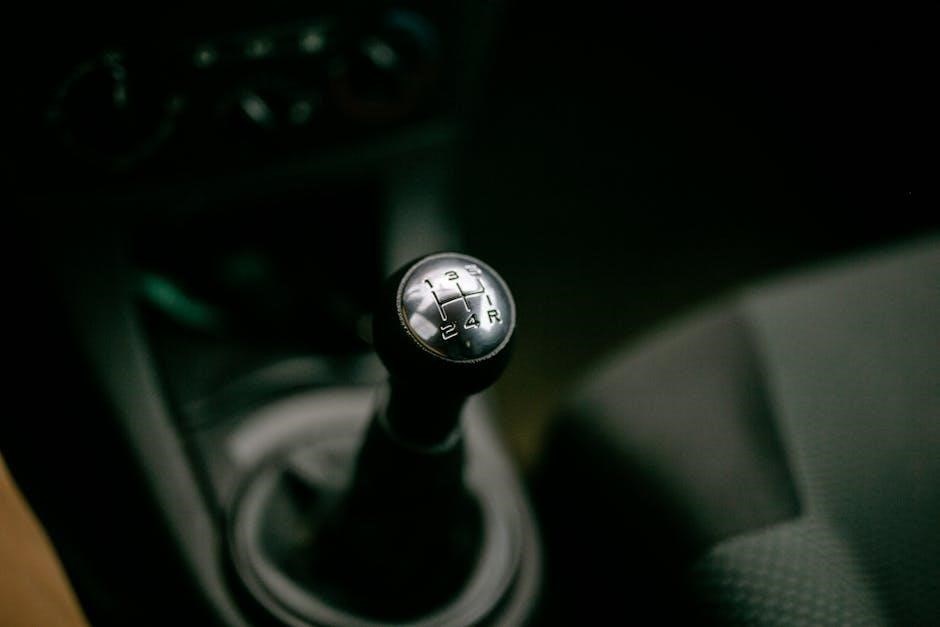
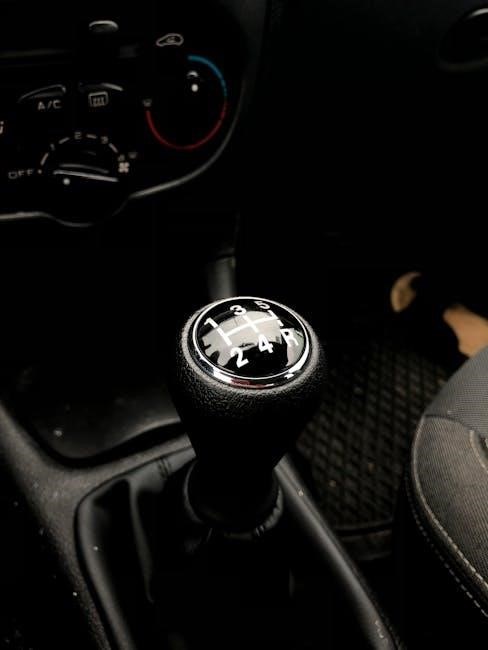
A used Corolla, particularly those from recent model years, represents excellent value. They are readily available, often well-maintained, and typically priced within a reasonable budget. The availability of a manual transmission option further enhances the driving experience for those seeking greater control and engagement.
Corollas generally hold their resale value well, providing a degree of financial security should the buyer decide to upgrade in the future. This combination of reliability, affordability, and practicality solidifies the Corolla’s position as a top contender for first-car consideration.
Honda Civic: Fuel Efficiency and Resale Value
The Honda Civic, much like the Toyota Corolla, boasts a stellar reputation for reliability and efficiency, making it an ideal first car. However, the Civic often distinguishes itself with a slightly more engaging driving experience, particularly when equipped with a manual transmission. This allows new drivers to develop a stronger connection with the vehicle and hone their driving skills.
Fuel efficiency is a key strength of the Civic, translating to significant savings at the pump – a crucial factor for budget-conscious first-time owners. Beyond its practical benefits, the Civic also excels in retaining its value. A well-maintained Civic will command a respectable price on the used car market.
Finding a used Civic with a manual gearbox is generally achievable, offering a blend of affordability, practicality, and driving enjoyment. Its consistent performance and strong resale value make it a smart, long-term investment.
Mazda3: Driving Dynamics and Style
For first-time car buyers seeking a vehicle that’s genuinely fun to drive, the Mazda3 stands out. Unlike some competitors prioritizing solely practicality, the Mazda3 delivers a refined driving experience, especially when equipped with a manual transmission. This provides a rewarding connection for new drivers eager to learn and enjoy the act of driving.

The Mazda3’s steering is precise, and its suspension offers a balanced ride – sporty without sacrificing comfort. Beyond its driving dynamics, the Mazda3 boasts a stylish interior and exterior design, elevating it above many other entry-level options. It feels more premium than its price tag suggests.
A manual Mazda3 offers an engaging and affordable entry point into car ownership. While perhaps not as ubiquitous as the Civic or Corolla, a well-maintained used Mazda3 represents a compelling choice for those prioritizing driving pleasure and aesthetics.
Emerging Options: Tesla Model Y (Used Market)
While traditionally not associated with first-car purchases due to price, the used Tesla Model Y is becoming an increasingly viable option as more units enter the market. As of 2026, with over a million Model Ys sold in the United States, availability is growing, and prices are beginning to fall, making it accessible to a wider range of buyers.
However, it’s crucial to acknowledge the Model Y doesn’t cater to those specifically seeking a manual transmission; it’s exclusively electric and automatic. Its appeal lies in its advanced technology, long range, and access to Tesla’s Supercharger network. This presents a different kind of first-car experience – one focused on innovation and sustainability.
For tech-savvy new drivers, a used Model Y offers a glimpse into the future of automotive technology. Careful consideration of charging infrastructure and potential battery health is essential before committing to a purchase.
The Buying Process: A Step-by-Step Guide
Thorough online research is paramount, followed by identifying reputable dealerships—like those in Kitchener—to guide first-time buyers. A pre-purchase inspection is vital for peace of mind.
Researching Vehicle Options Online
Navigating the digital landscape for your first car requires a strategic approach. Begin by utilizing online car buying platforms to compare models, specifications, and pricing. Focus on vehicles known for reliability and affordability, considering both new and used options. Explore owner reviews and expert opinions to gain insights into potential issues and long-term costs.
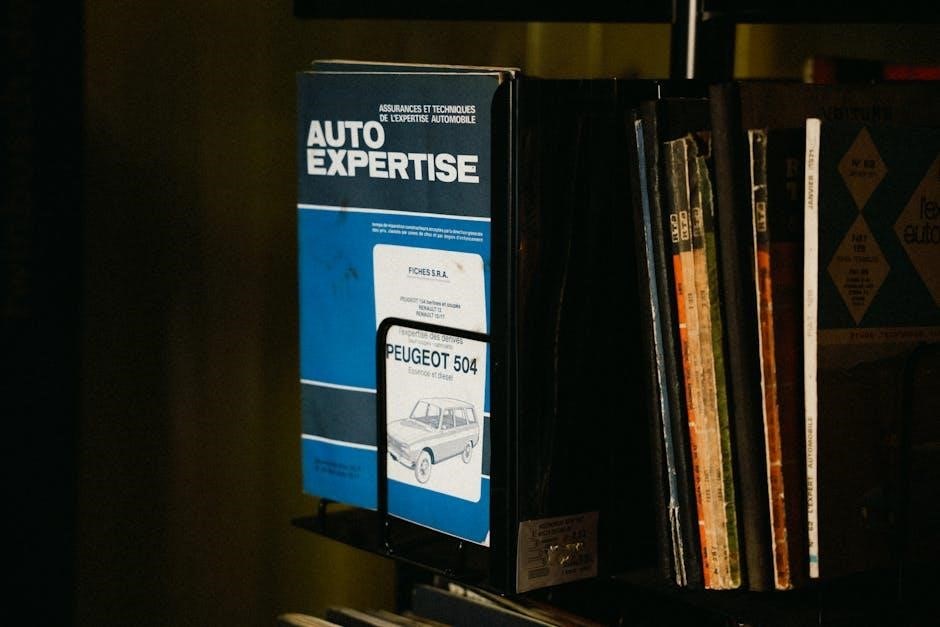
Pay close attention to vehicle history reports, readily available online, to uncover any past accidents, damage, or title issues. These reports provide crucial information for informed decision-making. Websites dedicated to classic cars, like Classic & Sports Car Magazine, can offer valuable perspectives on vehicle longevity and potential maintenance needs, even for modern cars sharing similar engineering principles.
Regional car buyer guides, such as DriveArabia.com, demonstrate the importance of localized information, though their direct relevance may vary. Ultimately, comprehensive online research empowers you to narrow down your choices and identify vehicles that align with your budget and driving requirements, setting the stage for a successful dealership visit.
Finding Reputable Car Dealerships
Locating a trustworthy dealership is paramount when making your first car purchase. Prioritize dealerships with positive online reviews and a demonstrated commitment to customer satisfaction. Seek out establishments that offer transparent pricing and avoid high-pressure sales tactics. A reputable dealer will willingly provide vehicle history reports and encourage a pre-purchase inspection by an independent mechanic.
Specifically, if you’re in the Kitchener area, research local dealerships known for guiding first-time buyers through the process. Ask friends, family, or online communities for recommendations. Don’t hesitate to visit multiple dealerships to compare inventory, pricing, and customer service.
Remember that a good dealership will prioritize your needs and answer your questions thoroughly. They should be willing to explain financing options and insurance requirements clearly. Avoid dealerships that seem evasive or attempt to rush you into a decision. A positive dealership experience builds confidence and ensures a smoother, more informed purchase.
Kitchener Area Dealerships: Guidance for First-Timers
For first-time car buyers in the Kitchener area, selecting a dealership that specializes in guidance is crucial. Look for dealerships actively promoting educational resources and transparent processes. Many offer dedicated “first-car buyer” programs designed to simplify the experience and address common concerns.
These dealerships often provide personalized consultations, explaining financing options, insurance requirements, and the importance of vehicle inspections. They understand the anxieties of a first purchase and strive to create a comfortable, pressure-free environment. Prioritize dealerships with strong community ties and positive local reputations.
Don’t be afraid to ask specific questions about vehicle history, maintenance records, and warranty coverage. A helpful dealership will readily provide this information and encourage you to thoroughly inspect any potential purchase. Remember, a knowledgeable and supportive dealership can transform a daunting task into an exciting milestone.
The Importance of a Pre-Purchase Inspection
Before finalizing any car purchase, especially as a first-time buyer, a comprehensive pre-purchase inspection is absolutely essential. This independent assessment, conducted by a trusted mechanic, can reveal hidden issues that may not be apparent during a test drive or visual inspection.
A skilled technician will thoroughly examine the engine, transmission, brakes, suspension, and other critical components, identifying potential problems that could lead to costly repairs down the road. This inspection provides invaluable peace of mind and empowers you to negotiate a fair price or walk away from a problematic vehicle.
Don’t rely solely on the dealership’s assessment; an unbiased opinion is paramount. The cost of an inspection is a small investment compared to the potential expense of unexpected repairs. It’s a proactive step that demonstrates responsible car ownership and safeguards your financial well-being.

Insurance and Ongoing Costs
Securing adequate car insurance is crucial for first-time drivers, alongside budgeting for maintenance, repairs, and fuel. Responsible ownership involves anticipating these expenses consistently.
Securing Adequate Car Insurance Coverage
As a new driver, obtaining comprehensive car insurance is paramount, representing a significant responsibility alongside the excitement of vehicle ownership. Policies vary considerably, so understanding coverage types is essential. Liability coverage is legally required in most jurisdictions, protecting you financially if you cause an accident resulting in injury or property damage.
Collision coverage helps pay for repairs to your vehicle regardless of fault, while comprehensive coverage protects against non-collision events like theft, vandalism, or natural disasters. Consider adding uninsured/underinsured motorist coverage to safeguard yourself if you’re involved in an accident with a driver lacking sufficient insurance.
Premiums are influenced by factors like age, driving record, vehicle type, and coverage levels. Shopping around and comparing quotes from multiple insurers is highly recommended. Don’t hesitate to inquire about discounts – many companies offer reductions for good students, safe driving courses, or bundling policies. Prioritizing adequate coverage provides financial peace of mind and protects you from potentially devastating expenses.
Budgeting for Maintenance and Repairs
Beyond the initial purchase price and insurance, responsible car ownership necessitates a dedicated budget for ongoing maintenance and potential repairs; Even reliable vehicles require routine servicing to maintain optimal performance and prevent costly breakdowns. This includes regular oil changes, tire rotations, brake inspections, and fluid top-ups – all contributing to longevity.
Unexpected repairs are inevitable, so setting aside funds specifically for this purpose is prudent. A general rule of thumb is to budget at least 5-10% of the vehicle’s value annually for maintenance and repairs. Creating a detailed maintenance schedule, based on the manufacturer’s recommendations, can help anticipate and plan for upcoming expenses.
Consider the potential cost of parts and labor for your chosen vehicle. Some models are known for more affordable maintenance, while others may require specialized (and expensive) repairs. Proactive maintenance not only extends the vehicle’s lifespan but also enhances safety and resale value.
Fuel Costs and Efficiency Considerations
Fuel expenses represent a significant ongoing cost of car ownership, particularly for new drivers with potentially longer commutes or frequent travel. Prioritizing fuel efficiency can substantially reduce these costs over the vehicle’s lifespan. Consider the combined MPG (miles per gallon) rating when evaluating potential car choices, factoring in both city and highway driving conditions.
Smaller, lighter vehicles generally offer better fuel economy than larger, heavier ones. Driving habits also play a crucial role; aggressive acceleration and braking significantly decrease MPG. Maintaining proper tire inflation and adhering to recommended service intervals, like air filter replacements, can also improve fuel efficiency.
Fluctuating fuel prices add another layer of complexity. Monitoring local gas prices and utilizing fuel-efficient driving techniques can help mitigate the impact of price increases. Exploring hybrid or electric vehicle options, even on the used market (like a Tesla Model Y), could offer long-term fuel savings.
Resources for Car Buyers
Numerous online platforms and publications assist first-time buyers. DriveArabia.com offers regional insights, while Classic & Sports Car Magazine provides valuable vehicle history and market trends for informed decisions.
Online Car Buying Platforms
The digital age has revolutionized car shopping, offering numerous platforms for first-time buyers. These sites aggregate listings from dealerships and private sellers, providing a vast selection and convenient search filters. However, navigating these platforms requires diligence. Thoroughly research the vehicle history using reports, and carefully review seller ratings and reviews.
Many platforms offer financing options, but comparing rates from multiple lenders – including local banks and credit unions – is crucial to secure the best deal. Be wary of hidden fees or add-ons. Virtual tours and detailed photos are helpful, but a pre-purchase inspection by a trusted mechanic remains essential before finalizing any purchase. Remember to factor in shipping costs if buying from a distant location.
Some platforms specialize in used vehicles, offering certified pre-owned options with warranties. Others focus on newer models or specific brands. Utilizing these resources effectively empowers buyers to find the right car at a competitive price, streamlining the often-complex process.
Classic Car Resources (e.g., Classic & Sports Car Magazine)
While seemingly counterintuitive for a first car guide, resources like Classic & Sports Car Magazine offer invaluable insights into vehicle longevity and build quality. Examining articles detailing older models – even those from the 1960s, as featured in their 34th edition – reveals which cars have stood the test of time. This indirectly informs choices for modern used vehicles, highlighting manufacturers known for dependability.
These publications often showcase detailed restoration projects, demonstrating common mechanical issues and repair costs. Understanding potential pitfalls can help first-time buyers assess risk. Furthermore, they cultivate an appreciation for automotive history, fostering informed decision-making beyond simply price and aesthetics.
Though focused on classics, the principles of mechanical soundness and lasting value apply universally. Learning about older vehicles builds a foundation for understanding modern car construction and maintenance, empowering new drivers to become more engaged and responsible owners.
Regional Car Buyer Guides (e.g., DriveArabia.com)
Though DriveArabia.com primarily serves the Middle East, its 2008 revamp – focused on providing comprehensive information to regional car buyers – exemplifies the value of localized resources. The principle applies universally: seeking guides tailored to your specific area reveals insights into common vehicle issues, local repair costs, and prevalent scams.
While not directly addressing “first cars,” these guides emphasize thorough research and due diligence. They often feature dealership reviews and highlight reputable mechanics, crucial for new drivers lacking established automotive networks. Understanding regional pricing trends prevents overpaying, and awareness of local regulations ensures compliance.
The core takeaway is the importance of informed local knowledge. Even if a direct “first car” guide isn’t available for your region, adapting the principles of comprehensive research – as demonstrated by DriveArabia.com’s commitment to detailed information – empowers buyers to make confident, well-informed decisions.

Long-Term Ownership Considerations
Vehicle history reports are essential for assessing a car’s past, impacting resale value and potential future repairs. Depreciation is inevitable, so informed choices matter greatly.
Resale Value and Depreciation
Understanding resale value and depreciation is crucial for first-time car buyers, impacting long-term financial planning. Vehicles are rarely investments; they are depreciating assets, losing value over time. However, certain models hold their value better than others. A well-maintained vehicle with a documented service history will generally command a higher resale price.
Factors influencing depreciation include make, model, mileage, condition, and market demand. Popular and reliable brands, like Toyota and Honda, often exhibit slower depreciation rates. Conversely, vehicles with a reputation for frequent repairs or low demand may depreciate more rapidly.
Considering future resale when making a purchase can mitigate financial loss. Researching historical depreciation curves for potential models provides valuable insight. Regularly servicing the vehicle and keeping detailed records are essential for maximizing its resale value when the time comes to upgrade. A vehicle history report also plays a vital role in establishing trust with potential buyers.
Vehicle History Reports
A vehicle history report is an indispensable tool for any car buyer, especially first-timers, offering crucial insights beyond the vehicle’s physical appearance. These reports compile data from various sources, revealing potential issues hidden from a visual inspection. Key information includes accident history, title problems (like salvage or flood damage), odometer readings, and service records.
Reputable providers like Carfax and AutoCheck offer comprehensive reports, though they aren’t foolproof. They rely on reported data, so not all incidents may be documented. However, a clean report significantly increases confidence in a vehicle’s condition.
Always cross-reference the Vehicle Identification Number (VIN) on the report with the VIN on the vehicle itself to ensure accuracy. Discrepancies are a red flag. A history report isn’t a substitute for a pre-purchase inspection by a qualified mechanic, but it provides a valuable first layer of due diligence, helping avoid costly surprises down the road and ensuring a sound investment.